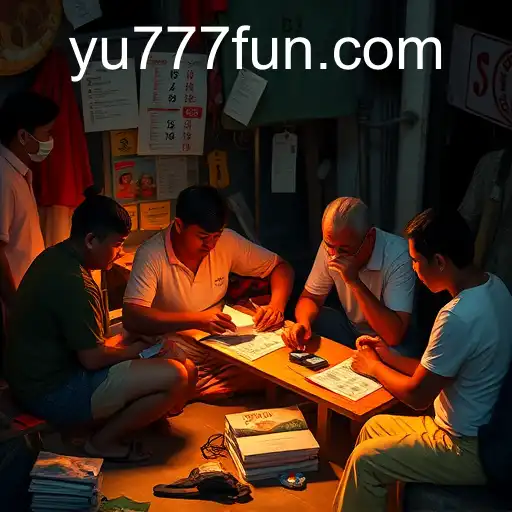
The Complexities of Jueteng: Understanding its Impact in the Philippines
Jueteng is a highly controversial and illegal numbers game that has deeply entrenched itself in the cultural and social fabric of the Philippines. Despite numerous efforts by the government to eradicate it, Jueteng remains prevalent in many parts of the country. The game is not only a testament to the socio-economic challenges faced by many Filipinos but also a reflection of the intricate relationship between politics and society.
The Origins of Jueteng
Jueteng is believed to have originated during the Spanish colonial period in the Philippines. The term is derived from the Chinese words "hue" (flower) and "teng" (bet) which entered the vernacular during the 18th and 19th centuries. Initially, it was a pastime of the Chinese community, but gradually, it permeated Filipino society. Its simplicity and promise of quick money made it incredibly appealing across all social classes.
How Jueteng Works
Despite its simplicity, Jueteng operates on a complex network. The game typically involves selecting a combination of numbers from one to thirty-seven and betting on the likelihood of those numbers being drawn. Bets can be as low as one peso, making it accessible to nearly everyone. As it operates outside the formal economy, it does not follow any regulatory framework, allowing operators to manage their own rules and probabilities.
The game is orchestrated by a hierarchy, starting from the bettors who place their wagers with a ‘kubrador’ or collector, who gathers the bets to bring back to the coordinators. These coordinators then work with ‘cobradores’ or financers, who ensure that operations run smoothly and winners are paid. At the top of this pyramid sit the financiers and influential individuals, often with ties to local government officials and law enforcement, who protect and enrich themselves from the proceeds of the game.
Societal Impacts
The persistence of Jueteng highlights significant social issues within the country. Its popularity is largely driven by poverty and the lack of employment opportunities. The game is often perceived as a means of economic salvation, albeit a risky one. For many, the hope of winning a considerable sum outweighs the dollar cost of participating in the game.
Jueteng also reflects the intricacies of patronage politics in the Philippines. The illegal game provides those in power with a mechanism to maintain influence and control over the masses. By protecting and profiting from Jueteng, certain officials ensure loyalty among their constituents, who benefit from the trickle-down generosity of the proceeds.
Challenges in Eradicating Jueteng
Efforts to eliminate Jueteng have been ongoing for decades, yet the entrenched nature of the game makes it a difficult issue to tackle. Numerous campaigns and legislation aim to dismantle its network, but they have been largely unsuccessful. Corruption and the complex web of relationships among local officials, law enforcement, and Jueteng operators create significant obstacles to reform.
The difficulty also lies in the socio-economic conditions that fuel the game. Without addressing the root causes of poverty and inequality, removing Jueteng from Filipino society proves nearly impossible. The absence of social safety nets and adequate economic opportunities ensures that many individuals will continue to participate, seeing no other viable avenues to improve their circumstances.
Alternative Solutions
Some proponents suggest that legalizing Jueteng could be a solution to control and manage the game more effectively. By bringing it under governmental oversight, it's possible to impose taxes and regulations that would curb its negative impacts while generating revenue for public welfare programs. However, opponents argue that legalization may only endorse and perpetuate the cycle of gambling rather than addressing fundamental social issues.
Another approach is increasing community involvement through education and awareness campaigns that focus on financial literacy and responsible gambling behaviors. Empowering communities with the knowledge and tools to improve their economic standing can be pivotal in reducing dependency on Jueteng.
The Role of National Policies
To address the issue of Jueteng effectively, it must be incorporated into broader policy frameworks that focus on long-term socio-economic development. National strategies that emphasize poverty reduction, education, and employment are vital. Government initiatives aimed at improving infrastructure and creating more job opportunities can offer viable alternatives to those most susceptible to the lure of Jueteng.
Political will and transparent governance are also critical. Implementing anti-corruption measures and fostering accountability among public officials can dismantle the protective networks that allow Jueteng to thrive.
Conclusion
The complexity of Jueteng in the Philippines is undeniable. Tackling this issue requires a multifaceted approach that addresses not just the illicit game itself, but the underlying socio-economic and political factors that sustain it. A combination of innovative policy solutions, community engagement, and genuine political reform can pave the way for a future where opportunities are driven by sustainable development rather than the whims of chance in an illegal numbers game.